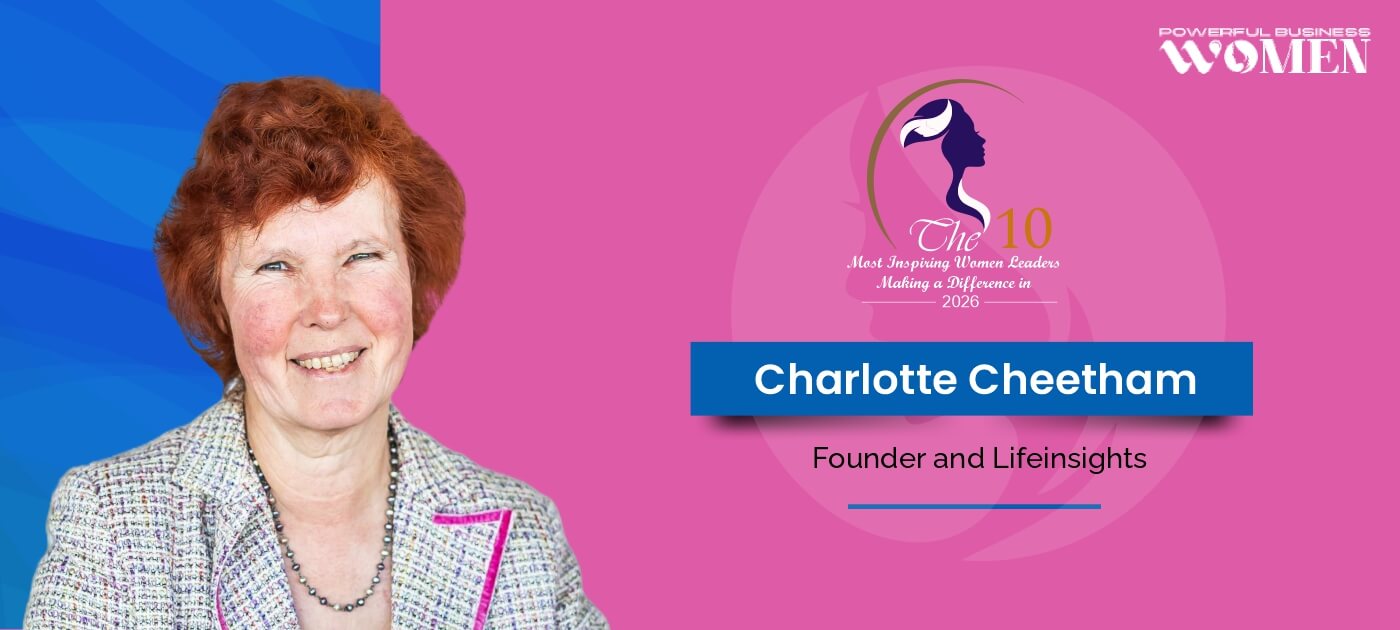

Midlife can bring changes that affect far more than physical health. Confidence can dip, energy can change, and many women find themselves searching for answers while trying to understand what their bodies need. Charlotte Cheetham supports women over 40 through this stage with a holistic approach that brings together diet, mindset, and a better understanding of midlife symptoms.
Her own journey has given that work a deeply personal foundation. For years, Charlotte was told she was not clever, academic, or capable of university. Those messages gradually affected how she saw herself, until she decided at 40 to challenge them by enrolling with The Open University.
Earning her degree became more than a qualification. It proved that the story others had written for her did not have to become her future.
The Person Behind the Work
Beyond her professional role, Charlotte describes herself as curious, compassionate, and resilient. She cares deeply about people and wants women to see possibilities where they may currently see only problems.
Her experience of losing confidence also shapes how she works today. Her focus on gut health and perimenopause is not simply about food or symptoms. It is about helping women reconnect with themselves, rebuild confidence, and feel more like the person they know themselves to be.
The Decision That Changed Everything
There was no single dramatic turning point. Charlotte points instead to one decision: going to university at 40.
With responsibilities, a busy life, and years of self-doubt behind her, there were plenty of reasons to believe it was too late. She chose to do it anyway.
Graduation changed more than her qualifications. It changed how she viewed herself and taught her that confidence does not always come before taking a risk. Sometimes, it arrives after taking the first step.
That lesson continues to influence the way she supports women today.
Unlearning the Limits
The hardest belief Charlotte had to overcome was the idea that she was not capable enough.
Other people’s doubts had gradually become her own, and breaking away from that thinking took time. She learned that she did not need anyone else’s permission to believe in herself.
Turning 40 also challenged another assumption: that opportunities become fewer with age. Instead, Charlotte discovered that experience can become a strength.
She now sees women in midlife through the same lens. They are not past their prime. They carry years of knowledge, resilience, and experience and may simply need the right support to reconnect with their confidence.
Belonging Without Shrinking
Charlotte believes women should not mistake fitting in for belonging. A seat at the table should not require them to become someone else.
Their experiences, perspectives, and struggles can all contribute to their strength. She also encourages women not to wait for complete confidence before taking action. Her own decision to study at 40 showed her what can happen when the step comes first and confidence follows.
Age, past experiences, or another person’s opinion should never be allowed to decide how a woman’s story ends.
When Achievement Becomes Personal
Achieving her degree at 40 remains one of the most meaningful milestones in Charlotte’s life. The qualification mattered, but what it represented mattered far more. It meant challenging a story she had carried for years about what she could and could not achieve.
That experience continues to shape how she measures success. Today, helping women regain confidence while navigating the physical and emotional changes of perimenopause has become equally meaningful.
The moments that stay with her are often personal ones. When a woman says she feels like herself again, has more confidence, is thinking more clearly, or finally understands what her body has been trying to tell her, Charlotte sees the real impact of her work.
For her, achievement is not measured only by personal milestones. It is also measured by what those milestones make possible in someone else’s life. Seeing one woman’s confidence return can create a ripple that reaches into her work, relationships, and everyday life.
There Is No Deadline for Becoming More
Charlotte hopes her story reminds women that there is no expiry date on ambition, learning, confidence, or reinvention. Life does not have to follow a fixed timeline, and not having everything figured out in your twenties or thirties does not mean you have fallen behind.
She particularly wants young women to understand that their present circumstances do not define their potential. Doubt can sound convincing, especially when it is repeated over time, but it does not necessarily reflect the truth.
Her message is equally important for women approaching or moving through midlife. This stage of life does not have to signal an ending. It can open the door to a different beginning, with greater self-awareness and a clearer sense of what matters.
Charlotte’s own journey from self-doubt to helping other women rebuild their confidence has shown her that the strongest version of yourself may still be waiting to emerge.
If her story encourages even one woman to stop making herself smaller, take a chance on her abilities, and believe she is capable of more, Charlotte considers that a meaningful reason to share it.